
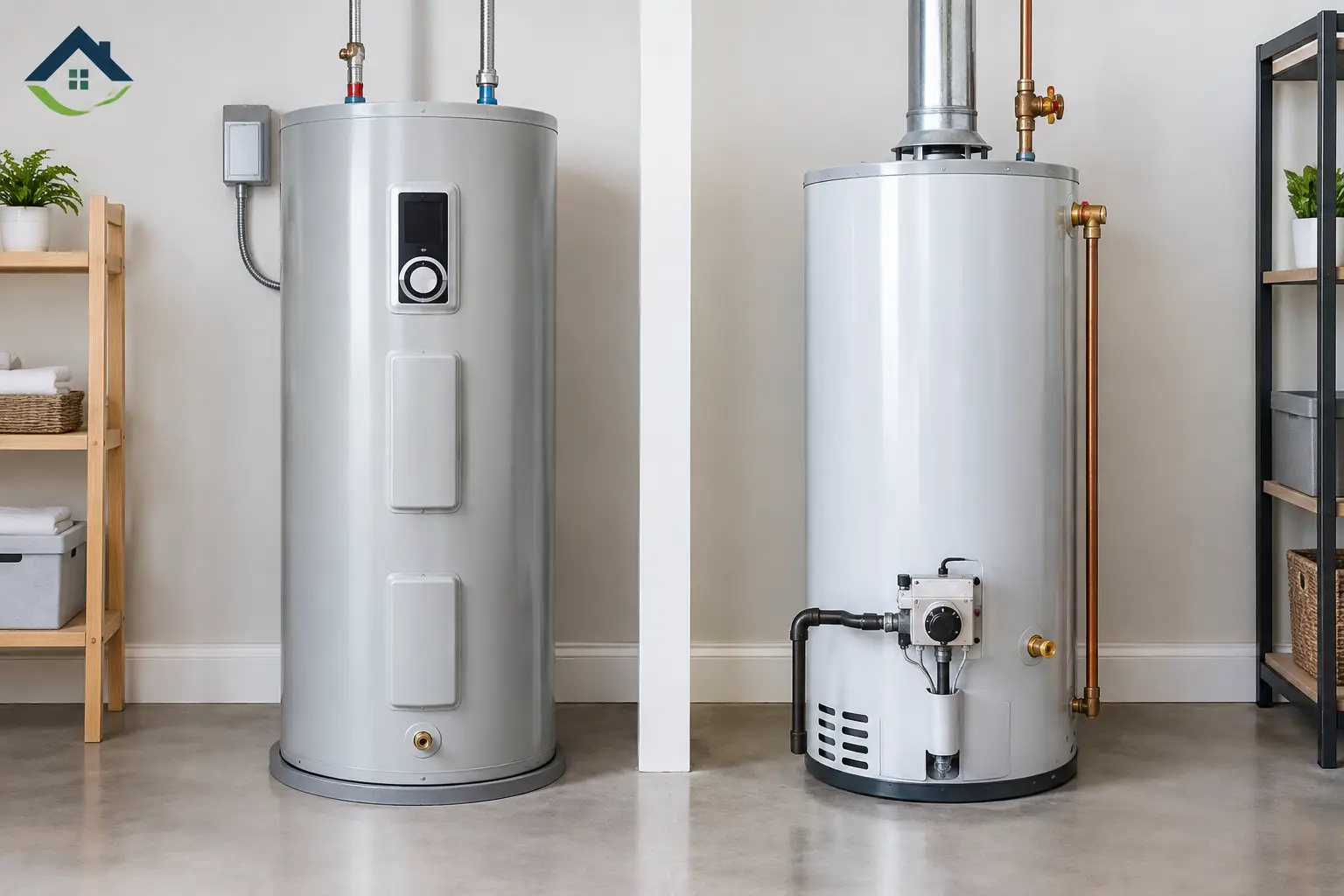
A cold shower during a busy Los Angeles morning makes the decision feel urgent, but choosing an electric or gas water heater should not come down to whichever unit is available first. The right system depends on your household’s hot-water demand, the utilities already serving the home, available space, venting conditions, and the condition of your plumbing.
A properly sized and professionally installed water heater should provide dependable hot water without creating avoidable operating costs, safety concerns, or remodel complications later. Here is how homeowners can make a clear, practical comparison.
Electric or Gas Water Heater: The Core Difference
Gas water heaters use a burner to heat water, while standard electric water heaters use heating elements inside the tank. Both can serve a home well. The better choice is usually the one that works with the property rather than forcing expensive changes to make a particular model fit.
For many older Los Angeles County homes, an existing gas water heater can be the straightforward replacement because the gas line, vent, drain pan, and electrical connections are already in place. A like-for-like replacement may keep installation work more contained, provided the existing setup meets current code requirements.
Electric models can be a sensible choice when a home does not have a gas service, when venting is impractical, or when an owner wants to move away from combustion appliances. They do not produce combustion gases and typically have fewer venting-related installation requirements. However, an electric replacement may require electrical-panel upgrades or a dedicated higher-capacity circuit, especially when changing from gas to electric.
Upfront Cost Is More Than the Heater Price
It is easy to compare equipment prices and miss the cost of making the installation safe and code-compliant. A water heater is connected to water piping, a temperature-and-pressure relief discharge line, a drain system, fuel or electrical supply, and sometimes a venting system. Each part matters.
A gas installation may involve work on the gas line, vent connector, flue pathway, combustion air, earthquake strapping, and gas shutoff. If the existing vent is damaged, undersized, or shared with another appliance, the scope can expand. Condensing gas models may also need a condensate drain and specialized venting materials.
An electric installation may eliminate venting work, but electrical capacity deserves the same careful attention. A standard electric tank water heater generally needs a 240-volt dedicated circuit. If the electrical panel is full, outdated, or located far from the water-heater space, the electrical portion of the project can affect the overall budget.
For either fuel type, a licensed contractor should evaluate the full installation rather than quote only the appliance. That includes access, placement, seismic strapping, drain pan requirements, expansion control where needed, shutoff valves, and the condition of nearby piping.
Recovery Rate and Household Demand
Recovery rate is the amount of hot water a tank heater can heat in a given period. This is where gas often has an advantage. Gas tank water heaters typically recover more quickly than conventional electric tank models, which can be valuable for larger households with back-to-back showers, laundry, and dishwashing.
That does not mean electric is automatically inadequate. A correctly sized electric tank can serve a small or moderate household reliably. The key is to size the unit around real use, not just the capacity of the old heater. A family with several bathrooms may need a larger tank or a system with stronger recovery. A one- or two-person household may be paying to heat more stored water than it uses.
Think about the busiest hour in your home. If two people shower while the dishwasher runs and a load of laundry starts, that is the demand the new water heater must handle. A contractor can help calculate the appropriate first-hour rating instead of relying on guesswork.
Tankless Changes the Conversation
Tankless water heaters are available in gas and electric versions, but they are not interchangeable in practical terms. Gas tankless units can provide high flow rates when properly sized and often suit homes with substantial simultaneous demand. Installation may require a larger gas line, new venting, electrical power for controls, and condensate drainage for high-efficiency models.
Electric tankless units avoid gas and venting, but whole-home models can require very significant electrical capacity. In many existing homes, the required panel and service upgrades make an electric tankless system a larger project than expected. Point-of-use electric tankless heaters may work well for a remote bathroom, garage sink, or accessory space, but they are not always a replacement for a whole-home system.
Efficiency and Monthly Operating Costs
Electric resistance water heaters convert electricity to heat efficiently at the appliance. Gas water heaters lose some heat through combustion and venting. Still, efficiency at the unit is only one part of the ownership cost. Local electricity and natural-gas rates, household use, insulation, and equipment type all influence the monthly bill.
In many homes, natural gas has historically offered lower water-heating operating costs than standard electric resistance heating. But utility rates change, and a high-efficiency electric heat pump water heater can significantly reduce electricity use compared with a standard electric tank. Heat pump models pull heat from surrounding air instead of creating all heat through resistance elements.
That efficiency comes with trade-offs. Heat pump water heaters need adequate air space, produce some operating sound, and may cool and dehumidify the room where they are installed. They also have longer recovery times in heat-pump-only mode. A garage, utility room, or larger mechanical area can be a better fit than a tight interior closet.
Space, Venting, and Safety Considerations
Gas appliances require careful combustion and venting design. Improper venting can create serious safety risks, and poor combustion-air conditions can affect performance. This is not an area for shortcuts or unqualified installation.
Electric water heaters do not require fuel combustion or exhaust venting, which can simplify placement. Yet they still need proper clearances, reliable electrical connections, leak protection, and a correctly routed relief-valve discharge line. Water damage from a failed tank can be costly, particularly when the heater is located in an interior closet, attic, or finished area.
Southern California homeowners should also plan for seismic safety. Water heaters need approved strapping to help prevent movement during an earthquake. A secure installation protects the appliance, connected piping, and the people living in the home.
When Gas Usually Makes Sense
A gas water heater is often a practical fit when the home already has a safe, code-compliant gas connection and venting arrangement, and the household uses a high volume of hot water. It can be especially attractive for families who value faster recovery from a tank system or want a gas tankless unit capable of serving multiple fixtures.
Gas may be less appealing when the existing venting needs major correction, there is no available gas service, or a remodel is already moving the home toward electric appliances. The best choice depends on the cost of the complete project, not a single line item.
When Electric Usually Makes Sense
An electric water heater is often a strong choice for homes without gas, homes where venting is difficult, and projects seeking to reduce on-site combustion. It can also work well in smaller households with predictable hot-water needs.
A heat pump water heater deserves consideration when there is sufficient space and the owner is focused on long-term energy use. Before selecting one, confirm that the location, condensate drainage, electrical supply, and expected recovery rate match the home’s needs.
Plan the Replacement Before the Tank Fails
Waiting until a water heater leaks or stops heating limits your choices. Emergency replacements often require homeowners to make a decision quickly, while planned replacements allow time to compare fuel types, consider upgrades, and address aging shutoff valves, corroded supply lines, drainage, or electrical issues at the same time.
If your water heater is nearing the end of its service life, a professional site evaluation can clarify what your home can support and what the project will actually involve. Alfa Home Services helps Los Angeles County homeowners assess plumbing, gas, electrical coordination, and installation requirements with one accountable team. The goal is simple: dependable hot water, clean workmanship, and no surprises hidden behind the wall.
The best time to choose between gas and electric is while your current system is still working. A thoughtful decision now gives your household more comfort and far more control when it is time to replace it.