
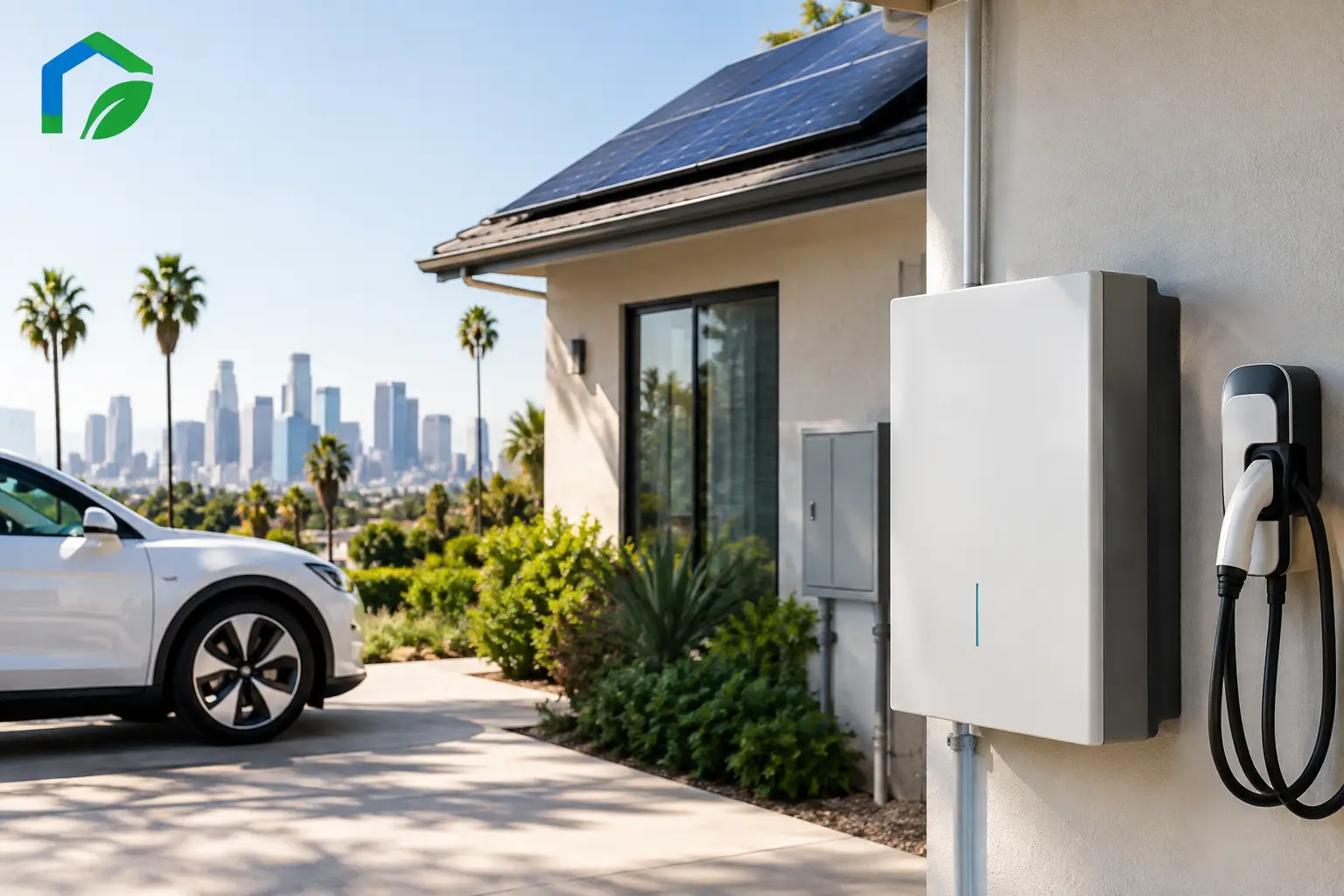
A Los Angeles homeowner replacing an aging air conditioner may now be weighing a bigger question: should the next system also heat the home? That decision sits at the center of today’s home electrification upgrade trends. Rather than treating HVAC, water heating, electrical capacity, plumbing, and remodeling as separate projects, more owners are planning them as one coordinated investment in comfort, efficiency, and long-term property value.
For many local homes, electrification is not about replacing every gas appliance overnight. It is about making practical improvements in the right order, especially when equipment reaches the end of its service life or a kitchen, bath, ADU, or addition is already under construction. The best path depends on the home’s existing infrastructure, energy use, available space, budget, and the owner’s plans for the property.
Why Home Electrification Is Gaining Ground in Los Angeles
Southern California’s mild climate makes high-efficiency electric equipment particularly appealing. Modern heat pumps can provide both cooling and heating through one system, offering a strong alternative to a conventional air conditioner and gas furnace pairing. They are also well suited to households looking for more consistent comfort without maintaining two separate major systems.
The shift is also being driven by the realities of older housing. Many Los Angeles County properties have undersized electrical panels, aging ductwork, older gas water heaters, or plumbing that no longer supports a major renovation. When a homeowner opens walls for a remodel or adds square footage, it is often more cost-effective to address these conditions together than to patch them one at a time over several years.
Electrification can support lower on-site combustion and create opportunities for cleaner indoor air, but it is not automatically the right answer for every home. A careful evaluation should look beyond the equipment label. Electrical capacity, duct condition, insulation, ventilation, appliance locations, and the homeowner’s daily needs all affect the final result.
The Home Electrification Upgrade Trends Homeowners Are Choosing
Heat pumps are replacing separate heating and cooling systems
Heat pump installations are one of the most visible changes in residential HVAC. Instead of generating heat by burning fuel, a heat pump transfers heat, providing efficient cooling in summer and heating during cooler months. In Los Angeles, where winter temperatures are generally moderate, this approach can be an excellent fit for many homes.
A central heat pump may work well when existing ductwork is in good condition and properly sized. If ducts are leaking, poorly routed, or too small for the new equipment, the project may need duct repair or replacement to deliver the comfort homeowners expect. For additions, converted garages, and rooms that never seem to match the rest of the house, ductless mini-splits can provide targeted heating and cooling without extending an existing duct system.
There are trade-offs. Some homes may need electrical upgrades before a heat pump can be installed, and choosing the wrong system size can create humidity, comfort, and operating issues. Proper load calculations and a clear installation scope matter more than simply choosing the highest-rated unit.
Heat pump water heaters are changing utility-room planning
Water heating is another major part of the electrification conversation. Heat pump water heaters use surrounding air to heat water, making them far more efficient than standard electric resistance models. For homeowners replacing an old gas water heater, they can be a compelling option, particularly when long-term operating costs are a priority.
However, installation conditions matter. These units need adequate air volume and may produce a small amount of condensate that requires proper drainage. Their location can also affect noise and temperature. A garage, utility space, or well-planned mechanical area is often a better fit than a tight interior closet.
Because water-heater work touches both plumbing and electrical systems, planning is essential. A licensed contractor should assess the water lines, drain connection, electrical circuit, seismic strapping, ventilation changes, and available clearances before recommending a model. This is especially valuable in older homes where previous work may not meet current standards.
Electrical panels are becoming part of renovation scopes
A home cannot fully benefit from new electric equipment if its service and panel capacity cannot support it. Panel upgrades are increasingly being considered during HVAC replacements, kitchen remodels, ADU construction, and whole-home renovations. The goal is not to add capacity without purpose. It is to ensure the home can safely support the equipment being installed now while allowing reasonable room for future needs.
A panel review may reveal that a new circuit is all that is needed. In other homes, a larger upgrade may be appropriate because the project includes a heat pump, electric water heater, induction range, laundry equipment, EV charging, or an addition. Each property has different demands, so assumptions based on a neighbor’s project can lead to costly surprises.
Homeowners should also understand that panel work can involve utility coordination, permit requirements, and service interruptions. Building that work into the original project schedule helps avoid a situation where new HVAC or plumbing equipment is ready to install but the electrical infrastructure is not.
Induction cooking is influencing kitchen remodels
Induction ranges and cooktops are increasingly appearing in kitchen renovation plans. They heat cookware quickly, offer precise control, and keep the cooking surface cooler than conventional electric elements. With no open flame or combustion at the appliance, induction can also reduce a source of indoor pollutants generated during cooking.
The practical consideration is electrical demand. Many induction ranges require a dedicated 240-volt circuit, and the kitchen layout may need to be designed around that requirement. A remodel is the ideal time to address the circuit, ventilation, cabinetry clearances, and appliance placement together.
Even with an electric cooking upgrade, ventilation remains important. A properly sized range hood that exhausts outdoors helps manage moisture, heat, and cooking particles. Electrification and indoor-air-quality improvements work best as a coordinated plan, not as isolated product choices.
ADUs and additions are being designed electric from the start
New ADUs, room additions, and major renovations give homeowners a clean opportunity to plan an all-electric or electric-ready layout. A heat pump for heating and cooling, a heat pump water heater, efficient lighting, dedicated appliance circuits, and future EV charging can be incorporated before finishes are installed.
This early coordination can reduce rework and keep the project organized. It also helps avoid common conflicts, such as a water heater location that lacks drainage, a condenser location that creates noise concerns, or a new electrical panel that was not considered in the architectural layout.
For rental ADUs and multigenerational spaces, dependable comfort is particularly important. Separate zones, carefully planned ventilation, and accessible shutoffs can make the finished space easier to operate and maintain for years to come.
Start With the House You Have
The strongest electrification projects begin with an honest assessment, not a predetermined equipment list. An older Los Angeles home may need a service-panel upgrade and duct improvements before a heat pump makes sense. Another may be ready for a straightforward water-heater replacement but not a full HVAC conversion. A recently renovated, well-insulated home may see a different set of priorities than a house with original windows, leaky ducts, and worn plumbing.
It is also worth considering timing. Replacing failed equipment in an emergency limits choices. Planning ahead while existing systems are still operating gives homeowners time to compare options, confirm electrical needs, review permits, and coordinate the work around a remodel or other improvement.
At Alfa Home Services, our combined HVAC, plumbing, and general contracting capabilities allow homeowners to discuss connected upgrades with one accountable team. We evaluate the full scope, communicate clearly about what the property needs, and keep the job site respectful and organized.
A thoughtful electrification plan should leave your home more comfortable and easier to maintain, not simply more complicated. Start with the equipment nearing replacement, understand the infrastructure behind it, and choose improvements that make sense for how your family lives in the home.