
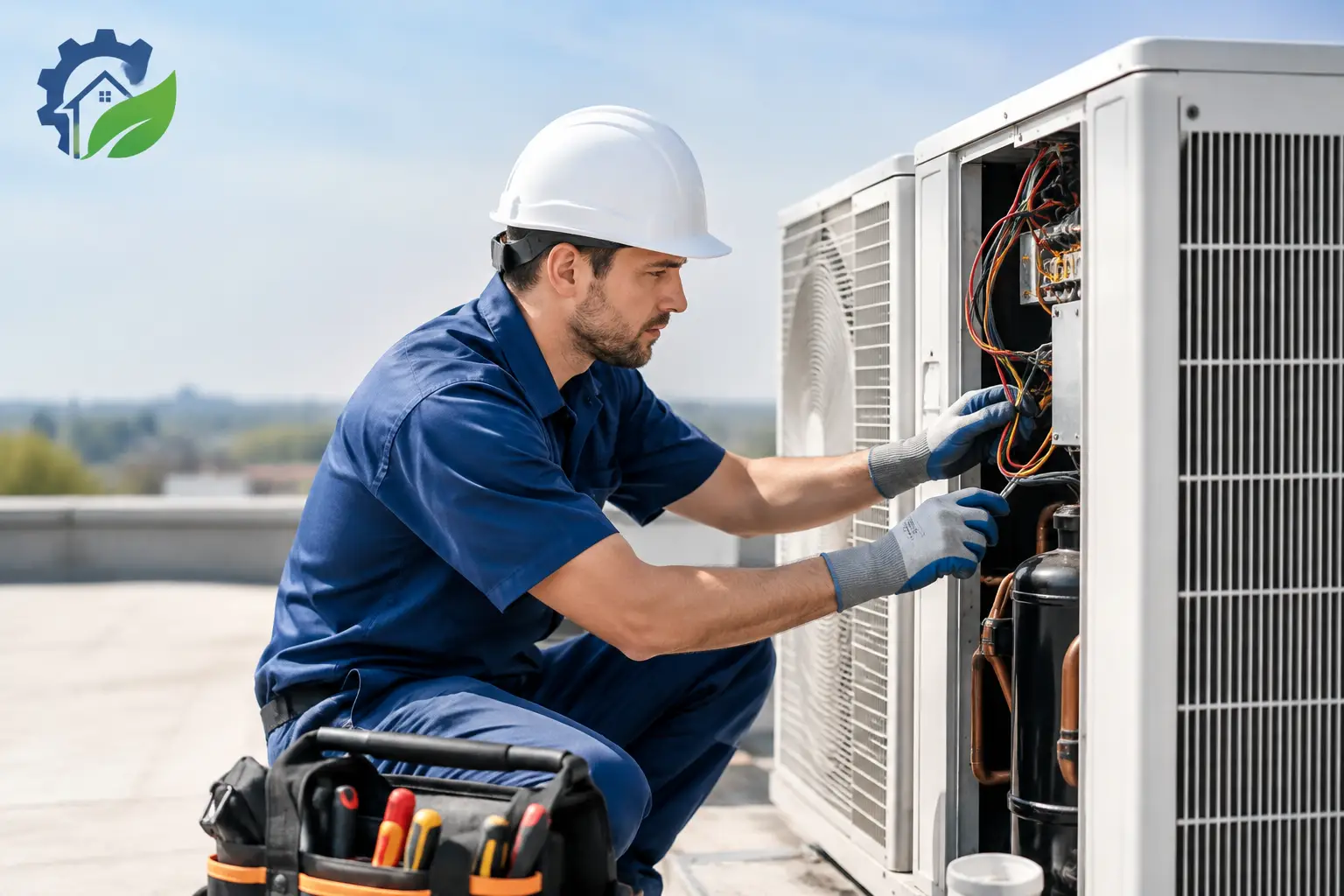
A Los Angeles heat wave is not the time to find out that your air conditioner has a weak capacitor, a clogged drain line, or low airflow. Preventive maintenance for HVAC equipment gives homeowners a chance to address small concerns before the system is asked to perform through a demanding summer afternoon or an unexpectedly cold winter night.
For many homes, heating and cooling equipment works quietly until it does not. A well-planned tune-up helps protect comfort, reduce avoidable repair calls, and extend the useful life of equipment that represents a significant investment in your property.
Why HVAC Maintenance Matters in Los Angeles County
Southern California HVAC systems face a different set of demands than systems in regions with long, severe winters. Air conditioning may run hard for extended periods during summer heat, while furnaces can sit unused for months before the first cool evening exposes a problem. Dust, outdoor debris, construction activity, pets, and clogged filters can all reduce airflow and put additional strain on the equipment.
When airflow is restricted, a system must work longer to move conditioned air through the home. That can mean uneven temperatures, higher utility bills, more wear on motors and electrical components, and less effective humidity control. In homes with older ductwork, the issue may not be the equipment alone. Leaks, disconnected ducts, poor insulation, or undersized return-air pathways can limit performance even when the air conditioner or furnace is otherwise sound.
Maintenance does not guarantee that a part will never fail. It does, however, create an opportunity to identify wear, safety concerns, drainage problems, and declining performance before they become an urgent situation.
What Preventive Maintenance for HVAC Equipment Includes
A proper maintenance visit should be more than a quick filter change and a glance at the thermostat. The exact scope depends on whether your home has central air, a furnace, heat pump, mini-split system, or a combination of equipment. Still, a qualified technician should inspect the system as a connected whole: equipment, controls, electrical components, airflow, drainage, and visible duct conditions.
For a central air conditioner or heat pump, service commonly includes checking the outdoor unit for debris and clearance, inspecting electrical connections, measuring operating performance, examining the condenser coil, and confirming that the condensate drain can flow properly. A blocked condensate line can lead to water damage, ceiling stains, or a system shutdown, often at the least convenient time.
Indoor equipment deserves the same attention. A technician may inspect the blower assembly, evaporator coil area, filter condition, refrigerant line insulation, safety controls, and accessible duct connections. If the system uses gas heat, maintenance should also include a careful review of the furnace burner area, ignition components, venting, heat exchanger condition where accessible, and carbon monoxide safety concerns.
Mini-split systems require their own approach. Their indoor heads need clean filters and coils, clear condensate drainage, and proper airflow. Because each zone has separate components, a problem in one room may not look the same as a problem with a central system. Regular service helps keep individual rooms comfortable without masking developing issues behind closed doors.
The Difference Between a Tune-Up and a Repair
A tune-up is planned service performed while the equipment is operating normally or showing only minor changes in performance. A repair addresses a known failure, such as a non-starting condenser, a furnace that will not ignite, unusual noises, weak airflow, or water leaking from an air handler.
The two often overlap. During maintenance, a technician may find a worn contactor, a failing capacitor, a dirty coil, or a drain line beginning to clog. Handling an approved minor repair during a scheduled visit can be simpler and less disruptive than waiting for a complete shutdown. Still, homeowners should expect clear communication before work moves beyond the agreed maintenance scope.
A reliable contractor explains what was found, why it matters, how urgent it is, and what options are available. Not every observation requires immediate replacement. A component may be functioning but nearing the end of its expected service life, and the right decision can depend on its condition, the age of the system, repair cost, and your plans for the home.
A Practical Maintenance Schedule for Your Home
For most Los Angeles County homes, HVAC maintenance twice a year is a sensible starting point: cooling service before the warmer season and heating service before cooler weather arrives. Heat pumps, which provide both heating and cooling, especially benefit from regular seasonal checks because they operate throughout the year.
Between professional visits, homeowners can prevent many common airflow problems with a few basic habits:
- Check the air filter monthly and replace it when it is visibly loaded or according to the filter manufacturer's guidance.
- Keep furniture, rugs, and stored items away from return-air grilles and supply vents.
- Remove leaves, grass clippings, and loose debris from around the outdoor unit, while keeping plants trimmed back for airflow.
- Watch for water near indoor equipment, unusual cycling, new noises, weak airflow, or rooms that become difficult to cool or heat.
- Set the thermostat to practical temperatures and avoid constantly making large adjustments that cause the system to run aggressively.
Filter replacement is not one-size-fits-all. A home with pets, allergies, frequent occupancy, or renovation dust may need more frequent changes. Very high-efficiency filters can improve particle capture, but they can also restrict airflow if the system was not designed for them or if they are not changed on time. Your HVAC professional can recommend an appropriate filter type for the equipment and household needs.
Signs You Should Not Wait for the Next Service Visit
Some concerns call for prompt attention rather than a future tune-up. If you smell gas, leave the area, avoid operating electrical switches, and contact the gas utility or emergency services as appropriate. If a carbon monoxide alarm sounds, treat it seriously, get occupants to fresh air, and follow local emergency guidance.
Other warning signs are less urgent but should still be evaluated soon. These include a system that runs continuously without reaching the set temperature, frequent tripped breakers, ice on refrigerant lines, burning odors, loud grinding or rattling, water leaking indoors, or a sudden spike in utility costs. Waiting can turn a manageable repair into damage to a compressor, blower motor, ceiling, flooring, or electrical component.
It is also worth paying attention to comfort patterns. A single warm bedroom, an overly stuffy second floor, or persistent dust may point to ductwork, return-air design, insulation, zoning, or indoor air quality concerns. Replacing equipment without evaluating these conditions can leave the underlying problem unresolved.
Maintenance Supports Better Indoor Air Quality
Your HVAC system moves air through the home every day it operates. When filters are neglected, coils are dirty, or ducts have leaks, comfort and air quality can suffer together. Maintenance helps preserve clean airflow, but it is only one part of an indoor air quality plan.
For households managing allergies, pets, smoke exposure, or construction dust, the best solution may involve more than a stronger filter. Depending on the home, it could include duct sealing, ventilation improvements, humidity management, filtration upgrades, or an air-cleaning solution designed for the system. The right recommendation should be based on the home's equipment, occupancy, and specific concern, not a one-size-fits-all add-on.
Choosing a Contractor for Ongoing HVAC Care
Maintenance is most useful when the technician has the training to recognize problems outside the immediate unit. A homeowner may call about weak cooling, for example, only to learn that a plumbing leak has damaged a ceiling near ductwork or that a remodel changed the home's airflow needs. Coordinated expertise can make those situations easier to manage.
Choose a licensed and insured contractor that documents findings clearly, respects your home, and provides straightforward recommendations. Alfa Home Services approaches HVAC care with the same discipline used for plumbing and construction work: defined scope, clean job sites, honest communication, and accountability for the work performed.
If your system has been reliable, preventive service is how you help keep it that way. If it has started showing small signs of trouble, scheduling an inspection before peak weather arrives gives you more options, more time to consider repairs, and a better chance of protecting the comfort of your home.