
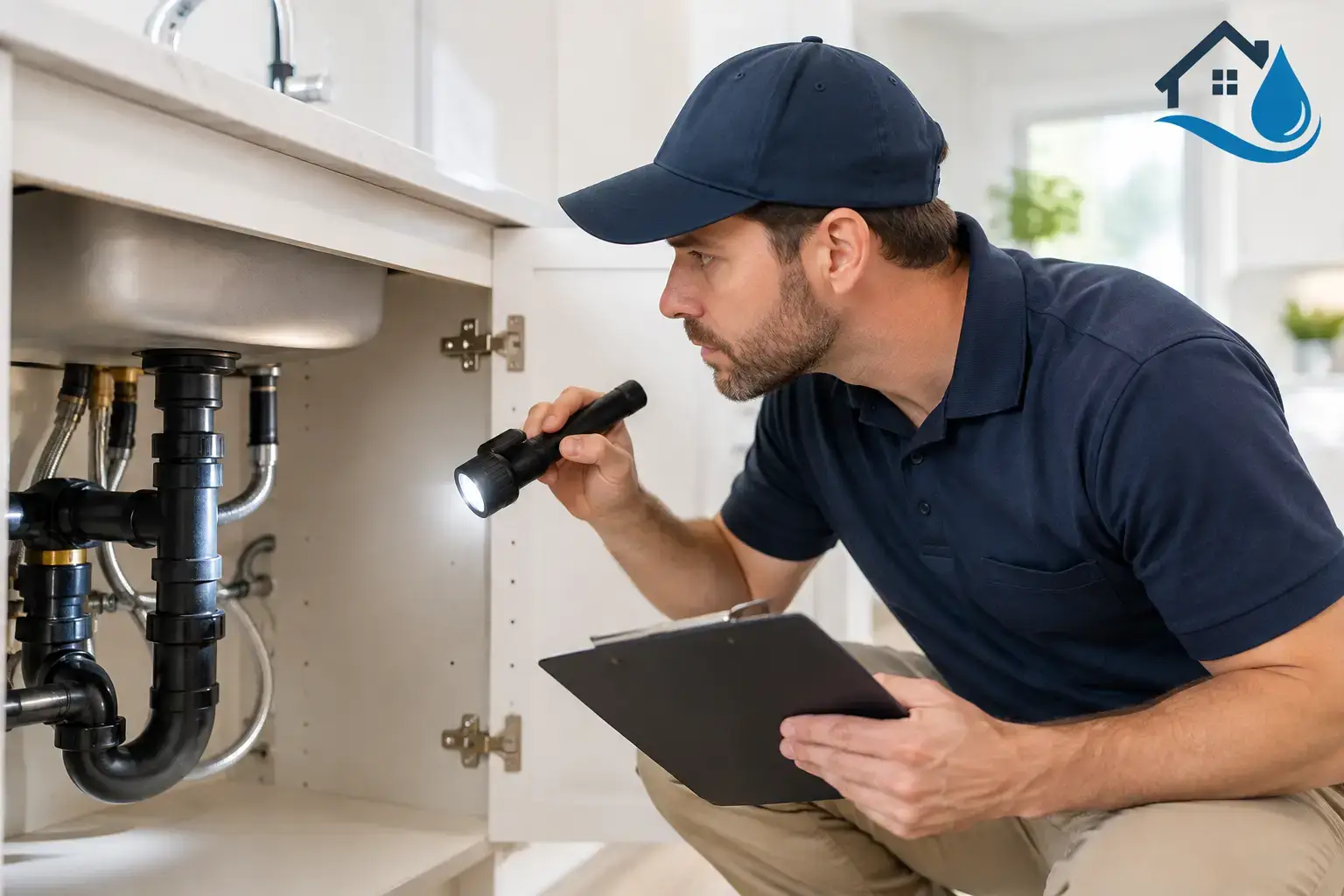
A pinhole leak behind a bathroom wall rarely announces itself with a dramatic flood. More often, it starts as a higher water bill, a faint musty smell, peeling paint, or a warm spot on the floor. A whole house plumbing inspection gives Los Angeles homeowners a clear look at the systems working behind walls, under floors, and around major fixtures before a small concern becomes a disruptive repair.
For owners of older homes, remodeled properties, rental homes, and houses preparing for a sale or addition, an inspection is less about finding a reason to replace everything. It is about understanding the condition of the plumbing, identifying real risks, and making repair decisions with accurate information.
What a Whole House Plumbing Inspection Covers
A thorough inspection looks at the plumbing system as a connected network rather than a collection of individual faucets and drains. The exact scope depends on the home’s age, access, visible conditions, and the reason for the visit, but a qualified plumber generally evaluates the water supply, drainage system, fixtures, water heater, and exposed piping.
Water supply lines and water pressure
The inspection begins with the pipes that bring clean water into the home. A plumber checks visible supply lines at sinks, toilets, laundry connections, exterior hose bibs, and other accessible locations. They look for corrosion, active drips, staining, loose connections, aging shutoff valves, and signs that prior repairs may need attention.
Water pressure also matters. Pressure that is too high can put ongoing stress on supply lines, appliance hoses, fixtures, and water-heater components. Pressure that is too low can point to a restriction, a valve problem, old pipe material, or a broader supply issue. A single slow faucet does not always mean the whole home has a pressure problem, which is why testing and context matter.
Drains, traps, and sewer warning signs
Drain performance is another essential part of a whole house plumbing inspection. Each fixture is checked for drainage speed, recurring backups, unusual noises, sewer odors, and leaks beneath cabinets or around toilet bases. The plumber may also assess accessible drain and vent piping for deterioration, improper connections, or inadequate support.
A camera inspection of the sewer line is not always included in a standard visual inspection, but it can be strongly recommended when there are repeated clogs, slow drains in several rooms, mature trees near the line, or an older property with an unknown sewer history. A camera can reveal root intrusion, offset joints, cracks, heavy buildup, or a sagging section of pipe that cannot be confirmed from inside the home.
Water heater condition and safety
A water heater deserves more than a quick glance. During an inspection, the plumber reviews its approximate age, visible corrosion, installation condition, connections, shutoff valve, venting where applicable, drain pan, and temperature-pressure relief valve discharge piping.
Tank-style heaters and tankless systems have different maintenance needs, but both can develop issues that affect safety, efficiency, and reliable hot water. Sediment buildup is common in areas with hard water. It can reduce a tank water heater’s efficiency and contribute to noise, inconsistent temperatures, and premature wear. An inspection helps distinguish routine maintenance from signs that replacement planning is the smarter choice.
Fixtures, toilets, and hidden moisture clues
Faucets, shower valves, toilets, garbage disposals, and laundry hookups can all leak slowly enough to go unnoticed for months. A plumber checks for worn seals, loose components, drips, damaged supply hoses, and moisture in the cabinet or wall areas that can be accessed.
Toilets receive special attention because a failed wax ring or loose base can allow water to damage flooring and subflooring. A toilet that rocks, leaks at the base, runs intermittently, or requires frequent plunging should not be treated as a minor inconvenience. Those symptoms often deserve a closer look.
Why Los Angeles Homes Need a Closer Look
Los Angeles County has a broad mix of housing ages and construction styles. It is common to find original galvanized steel pipes in older homes, partial copper upgrades from a past renovation, or a combination of materials added over decades. That patchwork can work for years, but it makes guesswork risky.
Galvanized piping can corrode from the inside, restricting water flow and contributing to discolored water or declining pressure. Cast-iron drain lines can rust and weaken with age. Older sewer lines may be affected by roots, soil movement, or long-term wear. Even newer homes can have concerns related to high water pressure, poor drainage, appliance hose failures, or workmanship from prior remodels.
A house that has been renovated may require extra coordination. Plumbing problems can affect drywall, cabinets, flooring, insulation, and foundations, while a planned kitchen, bathroom, ADU, or room addition may expose pipes that are no longer suited to the new layout. Reviewing the plumbing before construction begins can prevent expensive changes after finishes are installed.
When to Schedule an Inspection
There is no single schedule that fits every property. A newer home with no symptoms may only need a professional review as part of regular maintenance or before a major remodel. An older home, a property with original plumbing, or a house with recurring drain issues may benefit from more frequent attention.
Schedule a plumbing inspection when you notice unexplained increases in water use, low pressure, rusty or discolored water, damp spots, moldy odors, gurgling drains, recurring clogs, sewer smells, or uneven hot-water performance. It is also wise to schedule one before purchasing a home, listing a property for sale, beginning a renovation, or leaving a home vacant for an extended period.
Homeowners sometimes wait for an obvious leak because they do not want to pay for an inspection that finds nothing urgent. That is understandable. Still, a clean report has value: it establishes a baseline, identifies the age and condition of major components, and helps prioritize future work instead of forcing decisions during an emergency.
What an Inspection Can and Cannot Reveal
A professional inspection is highly useful, but it has limits. Plumbers can evaluate visible and accessible components, test fixtures, observe performance, and use appropriate diagnostic tools when conditions call for them. They cannot see every pipe inside every wall without opening finished surfaces, and not every developing problem creates a visible symptom on the day of service.
That is why recommendations should be specific. A good plumber explains what was observed, what may need further testing, which repairs are urgent, and which items can be monitored or budgeted for later. If a sewer camera inspection, leak detection test, pressure regulator evaluation, or pipe replacement is recommended, the homeowner should understand the reason and the expected scope.
The right response is not always a whole-home repipe. A localized repair may be appropriate when the piping is otherwise in good condition. On the other hand, repeated leaks in aging pipe, widespread corrosion, or major remodeling may make a planned repipe more practical than a series of separate repairs. The decision depends on pipe material, access, the home’s condition, and long-term goals.
How to Prepare for the Visit
A little preparation helps the inspection move efficiently. Make a note of symptoms, including where they occur and when they started. If a drain backs up only after laundry runs, or a water heater makes noise only in the morning, those details are useful.
Clear reasonable access around the water heater, under sinks, near the main shutoff valve, and around any visible plumbing in the garage, crawl space, or utility area. If you have records of prior plumbing repairs, sewer work, repipes, or renovations, keep them available. They can help the plumber understand what has already been updated and what materials may be in the home.
During the visit, ask direct questions. Which issue should be handled first? Is the concern active, preventive, or cosmetic? What signs would mean the condition has worsened? Clear answers support better decisions and reduce surprises later.
Turn Findings Into a Practical Plan
The most useful inspection result is a prioritized plan, not a vague list of possible problems. Immediate concerns such as active leaks, unsafe water-heater conditions, sewage backups, or severely deteriorated connections should be addressed promptly. Maintenance items, like replacing aging supply hoses or servicing a water heater, can often be scheduled around your budget. Larger upgrades can be planned alongside a remodel or other home improvement work.
For Los Angeles County homeowners, working with a licensed and insured contractor also matters when plumbing work overlaps with walls, flooring, HVAC equipment, or construction. Alfa Home Services brings plumbing, HVAC, and general contracting capabilities under one accountable team, helping homeowners coordinate the work without passing responsibility between trades.
A well-timed inspection gives you time to choose the right repair, protect the finishes you have invested in, and keep your home running as it should. When something seems off, it is usually better to investigate early than to wait for the evidence to spread.