
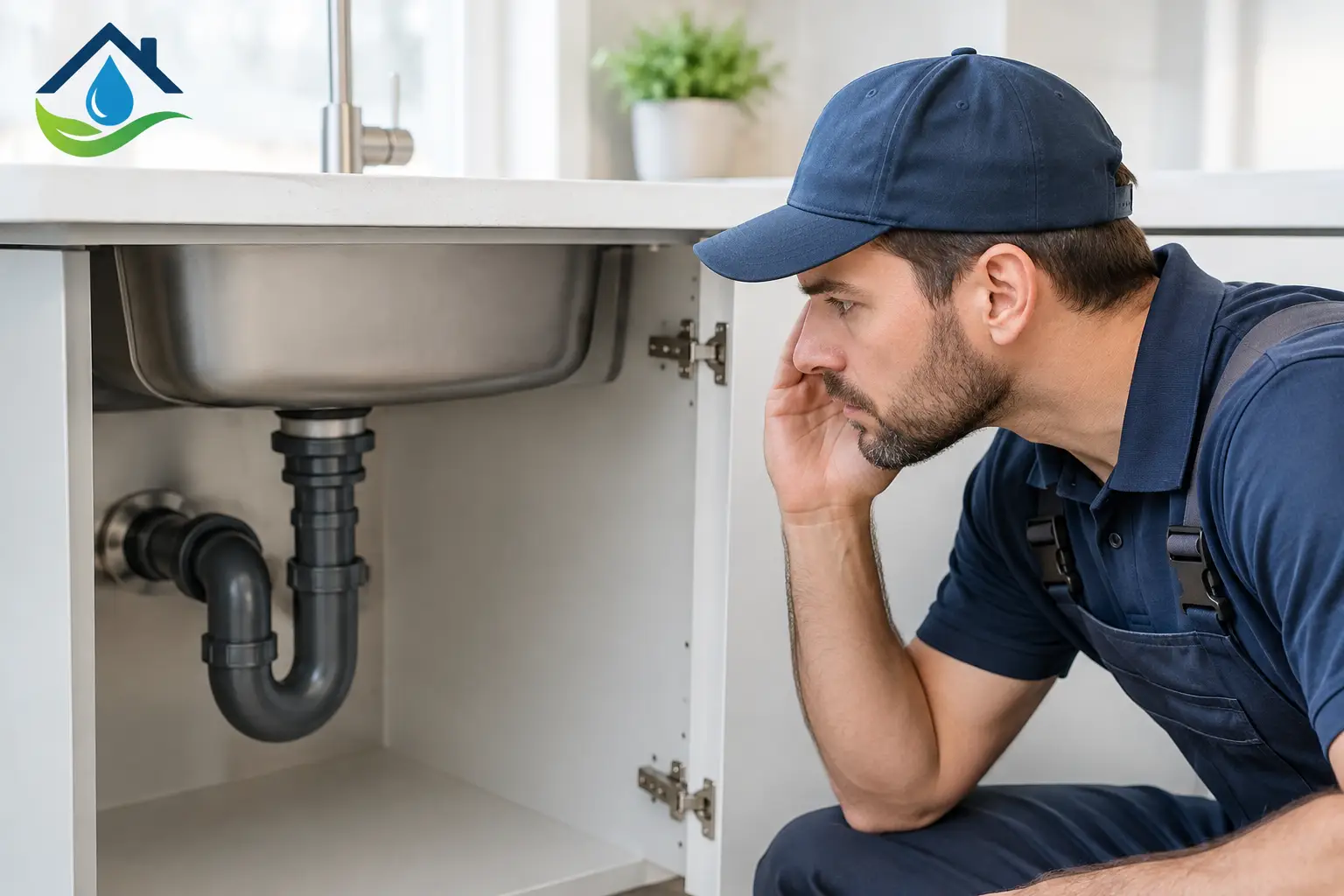
A drain that gurgles after the sink empties or the toilet flushes is more than an annoying sound. If you are asking, why does my drain gurgle, your plumbing system may be struggling to move water and air the way it should. Sometimes the fix is as simple as clearing a nearby clog. Other times, gurgling is an early warning that a shared drain line, vent, or sewer connection needs professional attention.
The key is to notice when the sound happens, which fixtures are involved, and whether other symptoms are appearing. Acting early can help prevent a slow-drain problem from becoming a messy backup inside your home.
Why Does My Drain Gurgle?
Your plumbing drains rely on two things working together: water must flow down the pipe, and air must move through the plumbing vent system to equalize pressure. When a blockage or venting issue interrupts that balance, air can be pulled through water sitting in a drain trap. That movement creates the familiar bubbling or gurgling sound.
A single bathroom sink that gurgles may have a local restriction close to the fixture. A toilet that bubbles when the washing machine drains, however, points more strongly to a problem farther down a branch line or the main sewer line. The pattern matters because it helps identify the likely scope of the repair.
A Partial Clog Is Restricting Flow
The most common cause is a partial blockage. Hair, soap residue, grease, food waste, wipes, and other debris can narrow the inside of a drain pipe. Water may still get through, but it moves more slowly and pushes or pulls air around the obstruction.
Kitchen sinks are especially vulnerable to grease buildup, even when grease is rinsed down with hot water. Bathroom drains often collect hair and soap scum. In older Los Angeles homes, years of mineral buildup and deteriorating pipe interiors can make a pipe more likely to catch debris.
A partial clog can become a complete blockage without much warning. If a drain gurgles and is also slow, address it before using chemical drain cleaners or repeatedly running water through the fixture.
The Plumbing Vent May Be Blocked
A plumbing vent is the vertical piping that lets outside air enter the drainage system. It usually exits through the roof. Without adequate venting, draining water can create negative pressure and pull water out of nearby traps, causing gurgling, odors, or both.
Leaves, nesting material, and other debris can obstruct a roof vent. Less commonly, a vent line may be improperly installed, undersized, cracked, or blocked inside the wall. Vent diagnosis is not always straightforward, particularly in remodeled homes where plumbing has been altered over time.
Because roof access carries real safety risks, it is generally better to have a qualified plumber inspect a suspected vent issue rather than attempting to clear it yourself.
Your Main Sewer Line May Have a Developing Blockage
When several fixtures gurgle, drain slowly, or affect one another, the problem may be in the main sewer line. This is the pipe that carries wastewater from your home to the public sewer connection or septic system.
For example, you may hear a shower drain bubble when a toilet is flushed, or see water rise in a bathtub while the washing machine is draining. Those are not isolated fixture problems. They can indicate that wastewater is meeting resistance downstream and looking for the lowest available opening.
Main-line issues are more common in homes with mature landscaping, older cast-iron piping, clay sewer lines, pipe offsets, or previous repair patches. Tree roots naturally seek moisture and can enter small gaps in aging sewer pipes. Once inside, they collect paper and waste until the line becomes restricted.
A Drain Trap May Be Dry or Compromised
Every sink, shower, tub, and floor drain has a curved section of pipe called a trap. It holds water to block sewer gases from entering the home. If a fixture has not been used for a long time, that water can evaporate. A dry trap may allow odors and unusual air movement, although it is less likely to cause persistent gurgling during normal drainage.
Run water into rarely used guest-bathroom fixtures and floor drains for a minute or two. If the problem stops and no other fixtures are affected, the issue may have been a dry trap. If gurgling continues, there is likely a drainage or venting problem that needs further evaluation.
What You Can Safely Check First
Start by observing, not guessing. Check whether only one fixture is affected or whether the sound occurs throughout the house. Note whether the drain is slow, whether water backs up, and whether the gurgling happens after another appliance or fixture is used.
For a single sink or tub drain, remove visible hair and debris from the stopper or drain opening. A basic hand-operated drain snake can sometimes clear a shallow clog, but stop if you meet firm resistance or are unsure what is inside the line. For a kitchen sink, avoid sending more grease, coffee grounds, or fibrous food scraps into the disposal.
You can also confirm that the fixture trap contains water by running the faucet briefly. These limited checks are reasonable for many homeowners. They are not a substitute for diagnosing a recurring or whole-home drainage issue.
Avoid relying on caustic chemical drain cleaners. They may not clear the actual obstruction, can damage certain pipes and finishes, and create a hazard for anyone who later opens the drain or services the line. They are particularly risky when a line is fully blocked and the chemical sits in standing water.
Signs You Should Call a Plumber Soon
A gurgling drain deserves prompt attention when it comes with other warning signs. Call for professional service if you notice any of the following:
- Water backing up into a tub, shower, sink, or floor drain
- Multiple drains gurgling or draining slowly at the same time
- A toilet bubbling when another fixture drains
- Sewer odors indoors or around the property
- Repeated clogs after plunging or basic drain cleaning
- Wet areas, sewage, or wastewater near a cleanout or exterior drain
These symptoms can indicate a main sewer restriction, a significant vent problem, or a damaged pipe. Waiting can lead to wastewater overflow, flooring damage, mold concerns, and a more disruptive repair.
How a Professional Finds the Real Cause
A proper drain diagnosis should match the scope of the symptom. For a local fixture blockage, a plumber may clear the line with the appropriate cable equipment and verify that the drain flows freely. For recurring clogs or multiple affected fixtures, the next step may include inspecting the cleanout and evaluating the main sewer line.
A sewer camera inspection is often valuable when roots, broken pipes, heavy scale, or offsets are suspected. It allows the plumber to see the interior condition of the line rather than treating every recurring clog as routine debris. That distinction matters in aging homes: clearing a line can restore flow, but it will not correct a collapsed section, severe corrosion, or a pipe that has shifted out of alignment.
The right repair depends on what the inspection shows. Some homes need professional drain cleaning or root removal. Others may need a targeted sewer repair, pipe replacement, or coordination with a larger renovation. A licensed contractor should explain the findings clearly, outline practical options, and provide a defined scope before work begins.
Preventing Future Gurgling Problems
No plumbing system is completely maintenance-free, but a few habits reduce the chance of recurring restrictions. Keep grease, wipes, paper towels, hygiene products, and food scraps out of drains. Use sink strainers where hair or food debris is common, and clear them regularly.
If your home has older sewer piping or large trees near the sewer route, proactive inspection can be worthwhile even when the drains are currently working. This is especially true before a bathroom remodel, kitchen renovation, or ADU project that will add demand to existing plumbing infrastructure. It is better to understand the condition of the drain system before walls, flooring, or new fixtures are installed.
For Los Angeles County homeowners, Alfa Home Services can assess drainage concerns with the same care used for larger plumbing and construction work: clear communication, organized service, and respect for your property. A gurgling drain is your home asking for attention. Listening early can protect your plumbing system and keep a small sound from turning into a larger repair.