
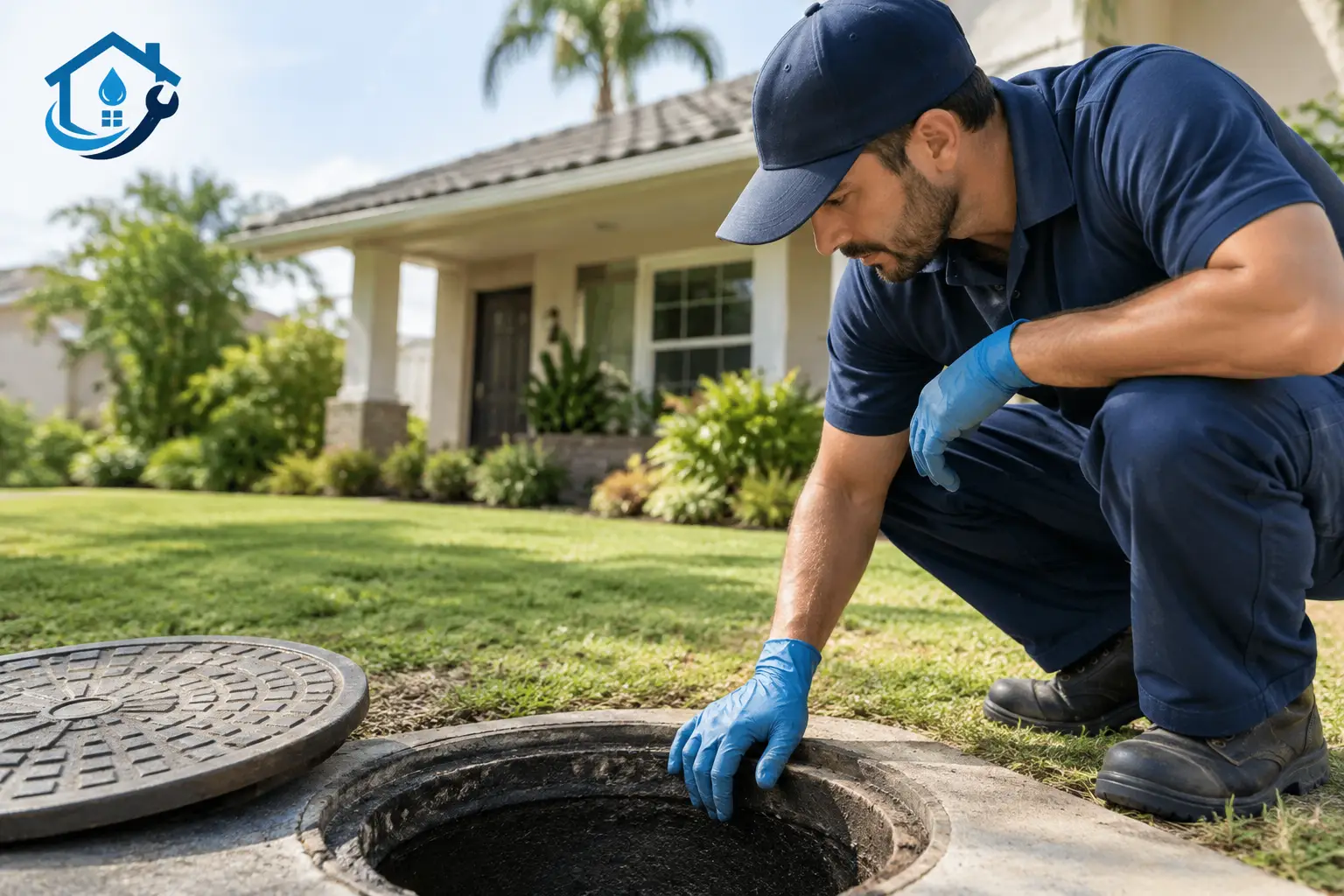
A sewer problem rarely starts with a dramatic backup. More often, it begins with a slow tub drain, a toilet that gurgles after the washer runs, or an odor that comes and goes near a bathroom. Timely sewer repair can prevent those early warnings from becoming contaminated water inside the home, damaged flooring, and a much larger restoration project.
For many Los Angeles County homeowners, the challenge is that sewer lines are out of sight and often decades old. Tree roots, aging clay pipe, ground movement, grease buildup, and poor past repairs can all affect a line beneath the property. The right response is not guesswork or repeated drain clearing. It is a clear diagnosis, an honest explanation of the condition, and a repair plan that fits the home.
Signs You May Need Sewer Repair
One slow drain does not always mean the main sewer line has failed. A clog may be limited to a sink, shower, or toilet branch. When several fixtures are affected at the same time, however, the main line deserves attention.
Watch for these common warning signs:
- Multiple drains backing up or draining slowly, especially on the lowest level of the home
- Gurgling sounds from toilets or shower drains when another fixture is used
- Sewage odors indoors, around the yard, or near cleanouts
- Water appearing in a tub or shower when a toilet is flushed or the washing machine drains
- Unusually green, wet, or sunken areas of landscaping above the sewer route
A backup at a ground-level shower or tub is particularly common because those fixtures may be the lowest opening connected to the sewer system. If wastewater is entering the home, avoid using sinks, toilets, laundry equipment, and dishwashers until a plumber has assessed the line. Continuing to send water down the drain can make the backup worse.
What Causes Sewer Line Damage?
Sewer lines do demanding work every day, and older materials have a limited service life. In many established Los Angeles neighborhoods, homes may still have original clay, cast-iron, Orangeburg, or other aging pipe materials. Each has different failure patterns.
Roots, offsets, and aging pipe
Roots naturally seek moisture. Even a small gap at a pipe joint can attract fine roots, which expand inside the line and catch paper, grease, and other debris. Root cutting can restore flow in some situations, but it does not repair a broken joint or a pipe that has shifted apart.
Clay pipe is common in older properties and can crack, separate at joints, or lose sections over time. Cast iron can corrode from the inside, leaving rough surfaces that repeatedly collect waste. Ground settlement, seismic activity, and nearby construction can also create offsets, low spots, or bellies where waste and water no longer move as designed.
Everyday use can reveal an existing problem
Not every sewer issue is caused by what a household puts down the drain, but wipes, grease, paper towels, and heavy debris can quickly expose a weakened line. Products labeled "flushable" can still create blockages in residential plumbing. A recurring clog is often a sign that the pipe needs inspection rather than another temporary clearing.
Start With a Camera Inspection
A professional sewer camera inspection gives homeowners useful information before they commit to major work. A plumber sends a specialized camera through an accessible cleanout or drain, reviews the interior condition of the pipe, and identifies the location and type of obstruction or damage.
The inspection can reveal root intrusion, cracks, separated joints, corrosion, standing water, collapsed sections, or an improperly sloped line. It also helps distinguish a main sewer issue from a localized drain problem. For a home purchase, remodel, ADU project, or major bathroom renovation, inspecting an older sewer line before work begins can prevent expensive surprises after walls, floors, or landscaping have been completed.
A camera does not solve the problem by itself, and it cannot always pass through a fully collapsed pipe. Still, it is the best starting point for most non-emergency sewer concerns because it replaces assumptions with visible evidence.
Sewer Repair Options Depend on the Line Condition
There is no single best method for every property. A responsible recommendation depends on pipe material, damage location, depth, access, slope, local code requirements, and whether the problem is isolated or widespread.
Drain cleaning and root removal
When the pipe is structurally sound and the issue is buildup or manageable root intrusion, professional cleaning may restore normal flow. This can be an appropriate maintenance solution, particularly for a line with early root activity. It is not a permanent answer when roots are entering through broken joints or when the pipe has significant deterioration.
Spot repair
If camera results show a limited damaged area, a targeted excavation and pipe repair may be the most practical option. This approach avoids replacing a line that is otherwise in good condition. The trade-off is that future problems remain possible in older portions of the system, particularly if the pipe material is nearing the end of its service life.
Trenchless lining or pipe bursting
Trenchless sewer repair methods can reduce disruption to driveways, patios, landscaping, and finished areas. Lining typically creates a new pipe within the existing one, while pipe bursting replaces the old line by pulling a new pipe through its path.
These methods can be excellent options when conditions allow, but they are not automatic choices. A severely collapsed line, poor access, improper slope, or certain connection layouts may require excavation. Trenchless work also slightly reduces the interior diameter of a lined pipe, though a properly designed system can still provide reliable flow. The best contractor will explain whether the method is appropriate for your specific line rather than treating it as a one-size-fits-all service.
Full sewer line replacement
A full replacement is often the sound long-term choice when the line has multiple failures, extensive corrosion, widespread root intrusion, or incorrect slope. It can also make sense during a large renovation, room addition, or ADU construction when site access is already open and plumbing infrastructure is being upgraded.
A complete project should account for permits where required, proper pipe sizing and slope, cleanout access, connections, and restoration of affected areas. The goal is not simply to get water moving today. It is to install a dependable sewer system that supports the home for years to come.
When a Sewer Problem Is an Emergency
Call for prompt help when sewage is backing into tubs, showers, toilets, or floor drains; when wastewater is overflowing inside the house; or when a line break creates unsanitary conditions in the yard. Keep children and pets away from affected areas, and do not attempt to clean raw sewage without proper protection.
If the problem is limited to one fixture, such as a single toilet that will not flush, shut off water to that fixture if necessary and arrange service. If several drains are involved, treat the situation as a possible main-line blockage and stop using water throughout the home until the cause is identified.
Choose a Contractor Who Can See the Whole Project
Sewer work can affect more than plumbing. Excavation may involve concrete, landscaping, walls, flooring, or future remodeling plans. A licensed and insured contractor should clearly explain the findings, the recommended scope, likely site impact, permit needs, and what restoration is included.
For homeowners planning a renovation or addressing aging infrastructure, Alfa Home Services brings plumbing, HVAC, and general contracting capability under one accountable team. That coordination matters when sewer work connects to a bathroom remodel, an ADU, a foundation-area repair, or other improvements that require careful scheduling and clean job-site management.
A sewer line is not the most visible part of a home, but it is one of the systems that protects everyday comfort and sanitation. Address early warning signs, ask to understand the camera findings, and choose a repair approach based on the actual condition of the line. A well-planned repair protects the property, limits disruption, and lets your household get back to normal with confidence.