
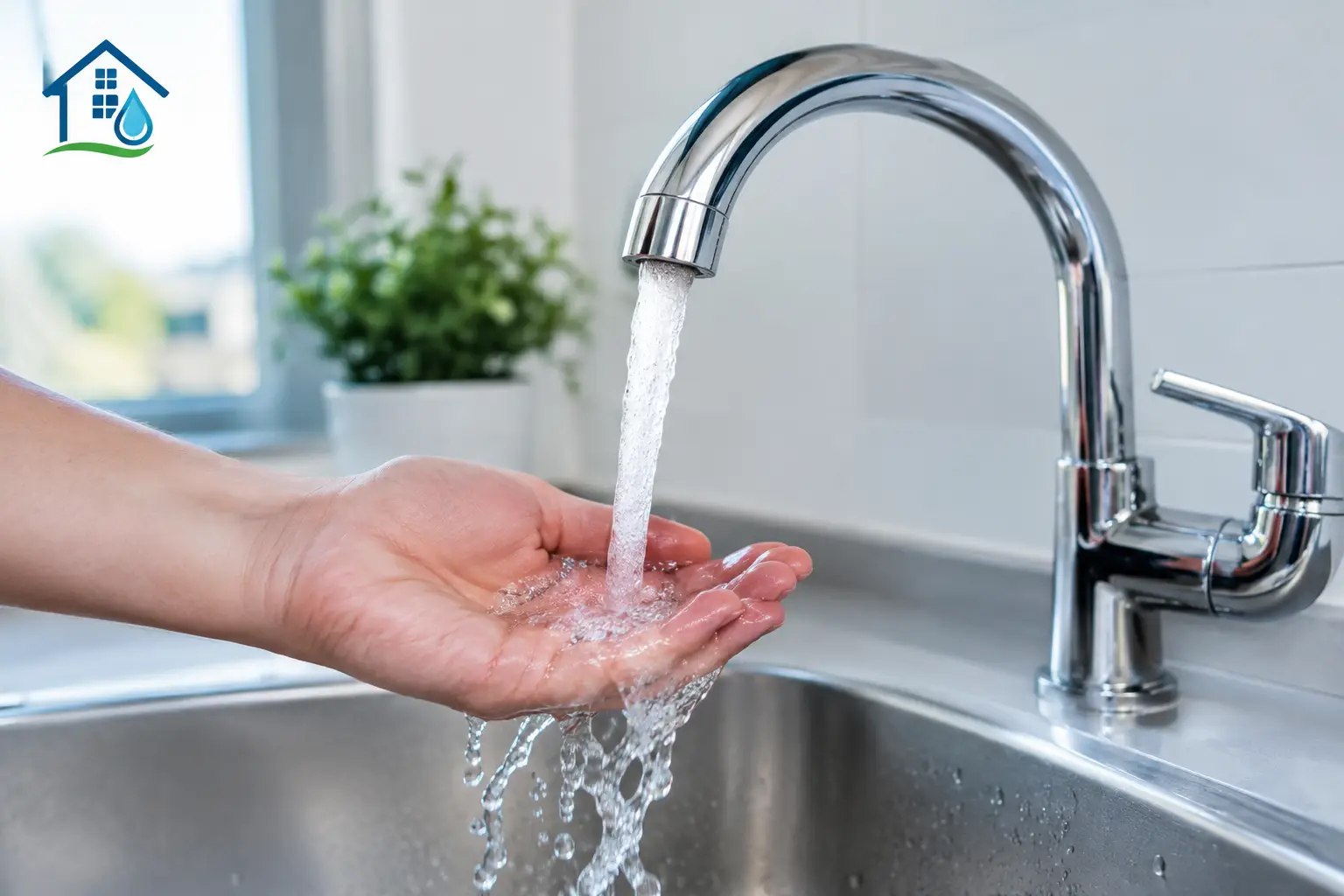
A shower that suddenly feels weak, a kitchen faucet that sputters, or pipes that bang when the washer stops can make an ordinary morning frustrating. Water pressure problems are not all the same, and the pattern matters. A single slow faucet often has a simple cause. Low or inconsistent pressure throughout the home may point to a larger issue in the plumbing system.
For Los Angeles County homeowners, the right response is rarely to replace fixtures blindly. Older homes may have aging galvanized supply lines, newer homes may have a failing pressure regulator, and any home can develop a localized blockage or leak. A careful diagnosis protects your water system, your finishes, and your budget.
Start by Identifying the Pattern
Before scheduling a repair, take a few minutes to notice where and when the problem occurs. Does low pressure affect both hot and cold water? Is it limited to one bathroom, one fixture, or one side of the house? Did it begin suddenly, or has it gradually become worse over months?
If one faucet has poor flow while nearby fixtures work normally, the issue is likely at that fixture. A clogged aerator, mineral buildup in a showerhead, a partially closed angle stop, or a worn cartridge can restrict water at one point of use. These are usually targeted repairs, not evidence that your whole home needs new pipes.
When every fixture has low pressure, the source is more likely upstream. Check whether the issue affects cold water as well as hot water. Low pressure on the hot side only can relate to the water heater, its shutoff valve, or buildup in hot-water piping. Low pressure on both sides suggests a supply, regulator, main-line, or whole-house piping concern.
It also helps to ask whether your neighbors are experiencing the same problem. Municipal maintenance, a nearby water-main repair, or a temporary supply interruption can affect an entire block. If the issue is isolated to your property, it is time to look more closely at the home’s plumbing.
Common Causes of Water Pressure Problems
Clogged fixtures and valves
Faucet aerators and showerheads collect sediment over time. In areas with mineral-heavy water, small openings can become restricted enough to noticeably reduce flow. A fixture’s shutoff valve may also be partially closed, especially after a prior repair.
These problems are relatively straightforward, but avoid forcing old shutoff valves. A brittle or corroded valve can begin leaking when disturbed. If a valve does not turn easily, a plumber can assess it without creating a larger repair.
A failing pressure regulator
Many homes have a pressure-reducing valve, also called a pressure regulator, near the main water shutoff. Its job is to lower incoming street pressure to a safe, consistent level for the home. When it wears out, pressure may drop, surge, or fluctuate as water demand changes.
Symptoms can include a strong shower that weakens when another fixture runs, pressure that rises and falls during the day, or plumbing noise after appliances shut off. A regulator may be adjustable, but adjustment is not always the answer. If internal components are failing, replacement is usually the more dependable repair.
Aging galvanized pipes
Many older Southern California homes still have galvanized steel water lines. Over decades, corrosion can build inside the pipe and shrink the passage available for water. From the outside, the pipe may look intact. Inside, it can be heavily restricted.
This decline is often gradual. Homeowners may first notice weak pressure at distant bathrooms or poor performance when multiple fixtures are used. Replacing just one visible section may offer limited improvement if the rest of the system is similarly worn. In those cases, a planned repipe can provide more reliable flow and reduce the risk of future leaks.
Hidden leaks or damaged supply lines
A leak does not always leave a puddle under a sink. Leaks can occur beneath slabs, behind walls, or in underground service lines. Along with reduced pressure, warning signs may include an unexplained increase in water use, damp flooring, warm spots on a slab, mildew odors, or the sound of water moving when no fixture is on.
A leak investigation should be handled promptly. Continuing to use the system without finding the source can damage flooring, framing, drywall, and finishes. The best repair depends on the pipe material, the leak location, and whether the rest of the plumbing is in sound condition.
Water heater and hot-water-side restrictions
When cold water is strong but hot water is weak, do not assume the water heater needs replacement. The cause may be a partially closed valve, sediment at a connection, restricted flex lines, or deteriorated hot-water piping. Older systems can also have localized buildup that limits flow to specific fixtures.
A proper evaluation separates a water-heater issue from a piping issue. That distinction matters because replacing equipment will not correct a restricted hot-water distribution line.
Why High Pressure Deserves Attention Too
Water pressure problems are not limited to weak flow. Excessively high pressure can quietly shorten the life of faucets, toilet fill valves, washing-machine hoses, water heaters, and appliance connections. It can also contribute to dripping relief valves, recurring leaks, and loud banging pipes.
A simple pressure gauge connected to an exterior hose bib can provide a useful starting reading. Residential systems commonly perform well around 50 to 70 psi, while pressure near or above 80 psi deserves professional attention. Actual conditions can vary throughout the day, so a single reading is helpful but not always the full story.
If pressure climbs when the water heater is heating, the plumbing system may also need an expansion tank or service to an existing one. This is not a cosmetic concern. It is a system-protection issue that should be evaluated based on the home’s plumbing layout and local code requirements.
Safe Checks Homeowners Can Make
A few basic observations can help narrow the cause without taking apart plumbing components. First, remove and rinse a faucet aerator or showerhead if it is easy to access. Keep track of the parts and use care with older finishes. Next, compare hot and cold flow at more than one fixture.
Then, look at accessible shutoff valves beneath sinks and behind toilets to confirm they appear fully open. Do not force handles that are seized, corroded, or leaking. Finally, check for visible moisture around the water heater, under sinks, and near exposed supply piping.
Avoid making major regulator adjustments or opening main shutoff valves without knowing their condition. A small change can create a leak at an old valve, and an incorrect pressure setting can place unnecessary strain on the plumbing system.
When to Call a Licensed Plumber
Professional diagnosis is the practical next step when pressure is low throughout the house, changes without warning, affects only hot water, or is paired with signs of a leak. It is also appropriate to call for help when pipes make banging or whistling sounds, fixtures frequently fail, or pressure readings are consistently high.
A licensed plumbing contractor can test static and working pressure, inspect the pressure regulator, assess the condition of supply lines, and identify whether the issue is localized or system-wide. For homes with aging plumbing, the contractor should explain the trade-off between a targeted repair and a larger repipe. A smaller repair may be appropriate when the system is otherwise healthy. If pipe corrosion is widespread, repeated spot repairs can become more disruptive and expensive over time.
For remodeling, additions, and ADUs, water pressure should be considered before new fixtures are installed. Adding bathrooms, laundry equipment, or high-demand fixtures to an undersized or deteriorated system can create performance issues after construction is complete. Coordinating plumbing work with the broader project helps avoid reopening finished walls later.
Alfa Home Services approaches these concerns with clear communication, licensed plumbing expertise, and respect for the home while the cause is identified. Whether the fix is a cleaned fixture, a new regulator, leak repair, or a planned repipe, the goal is the same: dependable water flow without unnecessary work.
If your home’s water flow has changed, pay attention to the pattern rather than living around it. A timely inspection can turn an uncertain plumbing symptom into a clear, manageable repair plan.