
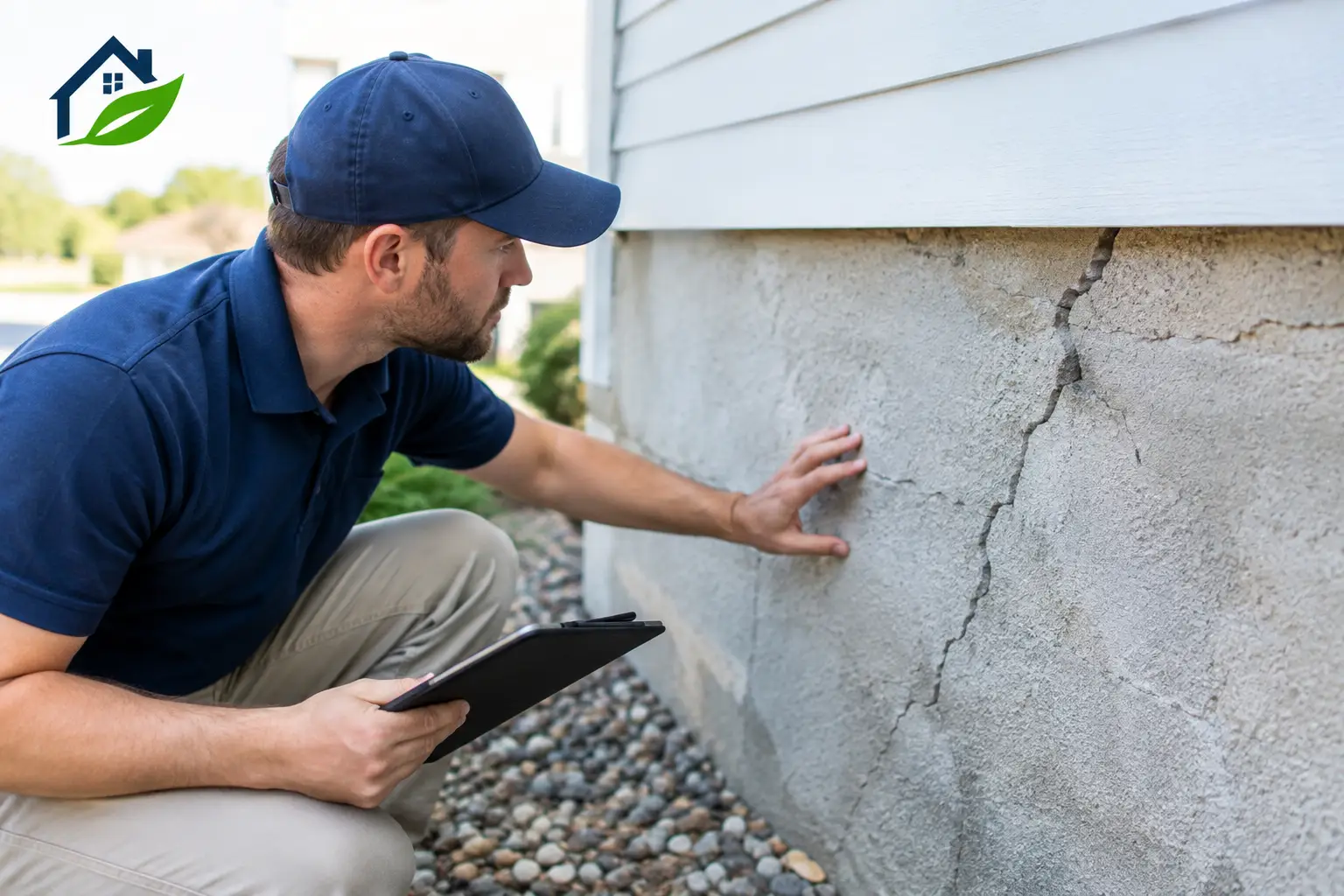
A hairline line in a concrete wall may be nothing more than normal curing or minor settling. But foundation cracks can also be the first visible sign of movement beneath a home, water-related soil problems, or a structural condition that deserves prompt attention. For Los Angeles County homeowners, the right response is not panic or guesswork. It is a careful inspection, a clear understanding of what the crack is telling you, and a properly scoped repair when one is needed.
Not All Foundation Cracks Mean the Same Thing
Concrete is strong under compression, but it is not flexible. Small cracks can develop as concrete cures, as temperatures change, and as a home settles over time. Many older Southern California homes have minor cracks that have remained stable for years without affecting safety or performance.
The concern rises when a crack is wide, growing, displaced, or accompanied by other changes in the house. A crack that has one side higher or farther forward than the other suggests movement, not just surface shrinkage. So do cracks that continue through finishes, masonry, drywall, or flooring above the foundation.
Location matters as much as appearance. A thin, vertical crack in a poured concrete foundation wall is often less concerning than a horizontal crack, a long diagonal crack, or a stair-step crack in a block or brick foundation. A qualified contractor should evaluate the whole condition rather than declaring a crack harmless or serious from a single photograph.
Foundation Cracks That Need Prompt Attention
A homeowner should arrange an evaluation when cracks are wider than about one-eighth of an inch, appear to be widening, or show clear separation. The same applies when there is crumbling concrete, exposed reinforcement, moisture entering through the crack, or a visible bulge in a foundation wall.
Changes inside the home can provide equally useful clues. Doors or windows that suddenly stick, floors that slope or feel uneven, new drywall cracks, gaps at trim, and cabinets separating from walls may point to settlement or shifting. Each symptom can have another explanation, so one issue alone does not confirm a foundation problem. Several changes appearing together deserve a closer look.
After an earthquake, inspect accessible foundation areas, crawl spaces, cripple walls, and the connection between the framing and foundation. In Los Angeles County, seismic movement can reveal weaknesses that were not obvious before. This is especially relevant for older raised-foundation homes that may benefit from foundation bolting, cripple-wall bracing, or a broader seismic retrofit.
If you see a rapidly worsening crack, significant wall displacement, or a condition that makes part of the home feel unsafe, limit access to the affected area and seek professional help promptly. Structural concerns should not be postponed until a future remodel.
Why Foundation Cracks Develop in Los Angeles Homes
Soil movement is a common cause. Some local soils expand when wet and contract as they dry. Repeated moisture changes can place uneven pressure on a foundation, particularly when drainage directs roof runoff or irrigation toward the house. A broken supply line, leaking drain, or chronic plumbing leak under a slab can also change soil conditions and should be addressed as part of the investigation.
Poor drainage does not always create an immediate structural emergency, but it can turn a manageable issue into a larger repair over time. Gutters, downspouts, grading, planter irrigation, and hardscape slope all affect where water goes. Keeping water away from the foundation is one of the simplest ways to protect it.
Tree roots are another possible contributor. Roots do not usually break sound concrete simply by touching it, but large trees can affect soil moisture and may exploit existing openings. Nearby excavation, aging construction, deferred maintenance, and original design limitations can also play a role.
Earthquake activity adds a regional consideration. A home can survive an earthquake without visible damage and still have connections or support elements that need improvement. The practical question is not whether a house is old or new, but whether its foundation, framing connections, drainage, and surrounding conditions are working together as intended.
What a Proper Evaluation Should Include
A useful foundation assessment starts with observation, not a one-size-fits-all repair recommendation. The contractor should examine the crack pattern, width, length, direction, and whether the surfaces on either side are offset. They should also look at accessible areas inside and outside the home, including crawl spaces, foundation vents, retaining elements, drainage paths, and signs of water intrusion.
Measurements and photographs establish a baseline. If a crack appears stable and minor, monitoring it over time may be more appropriate than immediate structural work. In other cases, a contractor may recommend a structural engineer to determine the cause and specify repairs. That independent level of review is particularly valuable when movement is significant, a major addition is planned, or the repair affects load-bearing portions of the home.
Homeowners should be wary of any diagnosis that skips the cause. Sealing a crack may keep out water, but it will not stop ongoing movement. Conversely, a repair plan that jumps immediately to extensive foundation work without reviewing drainage, plumbing, soils, and structural conditions may not be properly targeted.
Repair Options Depend on the Cause
For stable, nonstructural cracks, cleaning and sealing may be enough to prevent moisture intrusion and improve appearance. Epoxy injection can restore continuity in certain concrete cracks, while flexible polyurethane products are sometimes used when water sealing is the primary need. The right material depends on whether the crack is dry, active, structural, and accessible.
Where movement is caused by water, drainage corrections and plumbing repairs may be the first priority. This can include repairing leaks, redirecting downspouts, adjusting grades, or improving site drainage. It may also involve coordinating several trades, which is why homeowners benefit from a contractor that can see the connection between plumbing infrastructure, site conditions, and construction work.
More substantial conditions can require foundation reinforcement, localized underpinning, replacement of damaged sections, or seismic upgrades. For raised-foundation homes, bolting the house to the foundation and bracing cripple walls can improve earthquake performance. These projects should be planned around the home’s construction, permit requirements, engineering direction when required, and access limitations. The least invasive option is not always the best value if it fails to address the underlying issue.
What Homeowners Can Do Before an Inspection
Take clear photos of each crack with a ruler or coin for scale, then note the date and any nearby changes such as sticking doors or fresh drywall cracks. Check whether sprinklers, downspouts, or visible plumbing leaks are adding water close to the home. Avoid filling a suspicious crack before it is documented, especially if you are trying to determine whether it is growing.
Do not assume that a cosmetic patch is a permanent repair. Paint, mortar, and caulk can hide symptoms while movement continues behind them. They may be appropriate after the cause has been addressed, but they should not replace an informed evaluation.
For homeowners planning a renovation, room addition, ADU, or major plumbing upgrade, it makes sense to evaluate accessible foundation conditions early. Addressing structural or drainage needs before finishes, cabinetry, flooring, and new mechanical systems are installed can prevent expensive rework later.
Alfa Home Services approaches these projects with the same standard applied to every major home improvement: define the condition clearly, explain the scope honestly, protect the property during the work, and coordinate the necessary trades. Licensed construction, plumbing, and mechanical capabilities can make a meaningful difference when an issue reaches beyond one isolated crack.
A foundation crack is a reason to pay attention, not automatically a reason to fear the worst. Document what you see, keep water managed around the home, and ask for qualified guidance when the crack is changing or other symptoms appear. A timely, well-planned response helps protect both the structure and the long-term value of your home.